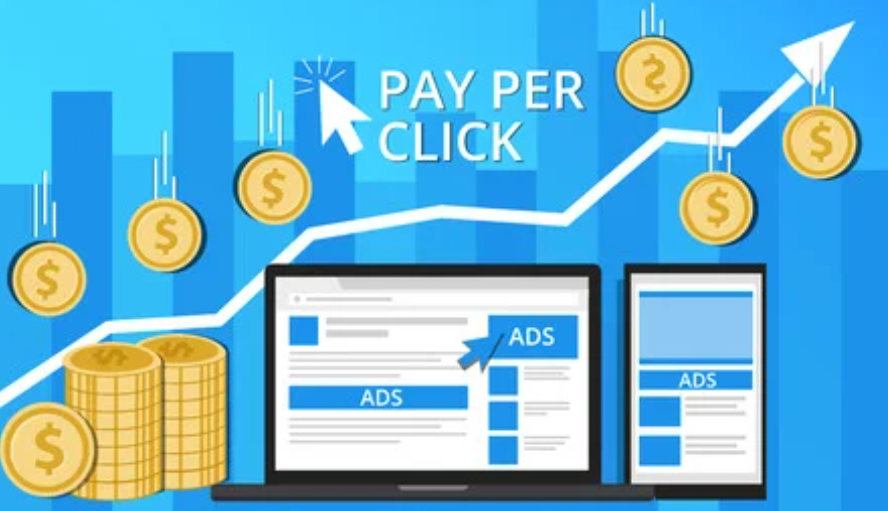
Mobile Pay Per Click Advertising: Optimizing for a Mobile-First World


Mobile Pay Per Click Advertising Optimizing for a Mobile-First World


Mobile Pay Per Click Advertising: Optimizing for a Mobile-First World


        In today's digital landscape, mobile devices have become an integral part of our lives. People are increasingly relying on their smartphones and tablets for various activities, including searching for information, shopping, and engaging with brands. As a result, mobile advertising has gained tremendous importance, and pay-per-click (PPC) advertising on mobile platforms has become a critical strategy for businesses. In this article, we will explore the significance of mobile PPC advertising and provide valuable insights on how to optimize campaigns for a mobile-first world.

Mobile-Friendly Ad Formats:

To effectively engage mobile users, it is essential to utilize ad formats that are specifically designed for mobile devices. Mobile PPC platforms offer various ad formats such as responsive search ads, mobile-specific ad extensions, and mobile app install ads. By leveraging these formats, advertisers can create visually appealing, concise, and easily consumable ads that capture the attention of mobile users, resulting in higher click-through rates and conversions.

Responsive Landing Pages:

Mobile optimization goes beyond ad formats—it extends to the landing pages that users are directed to after clicking on an ad. Mobile users have different expectations and behaviors compared to desktop users, so it is crucial to create responsive landing pages that provide a seamless and user-friendly experience across different mobile devices. Optimized landing pages should load quickly, have a clean design, be easy to navigate, and have clear and actionable call-to-action buttons, ensuring a positive user experience that encourages conversions.

Location-Based Targeting:

Mobile devices provide valuable location data, allowing advertisers to target users based on their geographical location. Utilizing location-based targeting in mobile PPC campaigns enables businesses to reach users who are in close proximity to their physical stores or service areas. By tailoring ads and offers to local audiences, advertisers can enhance relevancy, improve click-through rates, and drive foot traffic or local conversions.

Mobile-Specific Keywords:

Keyword research plays a crucial role in PPC advertising, and optimizing keywords for mobile searches is vital for mobile PPC success. Mobile users often use shorter and more conversational search queries, and they may include location-based terms or specific mobile-related phrases. By incorporating mobile-specific keywords into your campaigns, you can improve ad relevancy, increase visibility in mobile search results, and attract mobile users who are more likely to convert.

Speed and Performance Optimization:

Mobile users expect fast and responsive experiences when browsing websites or interacting with ads. Slow-loading pages or unoptimized ads can lead to user frustration and high bounce rates. Optimizing your mobile PPC campaigns for speed and performance is essential. This includes optimizing ad images and files for mobile devices, leveraging caching and compression techniques, and utilizing accelerated mobile pages (AMP) to deliver lightning-fast loading times, ultimately enhancing the user experience and improving campaign performance.

Constant Testing and Optimization:

Mobile PPC advertising is an ever-evolving field, and to stay ahead of the competition, it is crucial to continuously test and optimize your campaigns. A/B testing different ad variations, landing page designs, and targeting strategies allows you to identify the best-performing elements and refine your approach. By closely monitoring key metrics such as click-through rates, conversion rates, and bounce rates, you can make data-driven decisions and optimize your campaigns for maximum impact.

Conclusion:

In a mobile-first world, optimizing your PPC advertising efforts for mobile devices is paramount. By leveraging mobile-friendly ad formats, responsive landing pages, location-based targeting, mobile-specific keywords, speed optimization, and continuous testing, you can tap into the vast potential of mobile PPC advertising. Embracing a mobile-centric approach not only enables you to reach a wider audience but also provides an enhanced user experience, leading to higher engagement, increased conversions, and ultimately, business success in today's mobile-driven digital landscape.

Pay Per Click Advertising for E-Commerce Websites: Best Practices


Pay Per Click Advertising for E-Commerce Websites Best Practices


Pay Per Click Advertising for E-Commerce Websites: Best Practices


        In the competitive world of e-commerce, pay-per-click (PPC) advertising is a powerful tool for driving targeted traffic, increasing brand visibility, and boosting sales. By strategically utilizing PPC campaigns, e-commerce businesses can effectively reach their target audience and maximize their return on investment (ROI). In this article, we will delve into the best practices for implementing successful PPC advertising campaigns for e-commerce websites.

Thorough Keyword Research:

Keyword research forms the foundation of any successful PPC campaign. For e-commerce websites, it is crucial to identify relevant keywords that align with your product offerings and customer search intent. Utilize keyword research tools and analyze search volumes, competition, and long-tail keywords to uncover high-converting keywords with manageable competition. Continuously refine your keyword list based on performance data and emerging trends to optimize campaign results.

Compelling Ad Copy and Ad Extensions:

Crafting compelling ad copy is vital for capturing the attention of potential customers. Focus on creating unique selling propositions, highlighting product benefits, and including strong calls-to-action. Additionally, take advantage of ad extensions such as sitelink extensions, call extensions, and structured snippets to provide additional information and enhance the visibility of your ads. Test different ad variations to determine which messages resonate best with your target audience.

Landing Page Optimization:

Driving traffic to your e-commerce website is only half the battle. Ensuring that visitors have a seamless experience upon arrival is equally important. Optimize your landing pages by aligning them with the intent of the ad and creating a clear and compelling path to purchase. Implement a user-friendly design, clear product descriptions, prominent calls-to-action, and a streamlined checkout process. Regularly test and optimize your landing pages to maximize conversions.

Product Feed Optimization:

For e-commerce businesses, optimizing product feeds is essential for successful PPC campaigns. Ensure that your product feed is complete, accurate, and up-to-date with relevant information such as product titles, descriptions, prices, and availability. Use high-quality product images and incorporate keywords in your product feed to increase visibility in search results. Regularly review and optimize your product feed to ensure optimal performance.

Remarketing Campaigns:

Remarketing campaigns are particularly effective for e-commerce websites, as they target users who have previously shown interest in your products. Implement remarketing pixels to track user behavior and create tailored ads to re-engage potential customers. Showcase products they have viewed or abandoned in their shopping carts, and consider offering incentives such as discounts or free shipping to encourage conversions. Monitor and optimize your remarketing campaigns to maximize their impact.

Continuous Monitoring, Testing, and Optimization:

Successful PPC campaigns require ongoing monitoring, testing, and optimization. Regularly review key performance metrics such as click-through rates, conversion rates, cost per acquisition, and return on ad spend. Use A/B testing to experiment with different ad variations, landing pages, and targeting strategies. Make data-driven decisions based on campaign performance and adjust your approach accordingly. By continuously optimizing your campaigns, you can maximize results and drive continuous improvement.

Conclusion:

PPC advertising presents e-commerce websites with immense opportunities to drive targeted traffic, increase brand visibility, and boost sales. By following best practices such as thorough keyword research, compelling ad copy, landing page optimization, product feed optimization, remarketing campaigns, and continuous monitoring and testing, e-commerce businesses can optimize their PPC campaigns and achieve significant results. Embrace a data-driven approach, regularly refine your strategies, and stay abreast of industry trends to ensure your PPC advertising efforts propel your e-commerce business towards success.

Pay Per Click Budgeting: Allocating Funds for Optimal Results


Pay Per Click Budgeting Allocating Funds for Optimal Results


Pay Per Click Budgeting: Allocating Funds for Optimal Results


        Pay-per-click (PPC) advertising is a valuable tool for businesses to drive targeted traffic, increase brand visibility, and generate conversions. However, in order to maximize the effectiveness of your PPC campaigns, proper budget allocation is essential. Allocating your budget strategically allows you to optimize your ad spend and achieve optimal results. In this article, we will explore the best practices for budgeting your PPC campaigns to ensure that your funds are allocated for maximum impact.

Set Clear Goals and Objectives:

Before allocating your PPC budget, it's crucial to establish clear goals and objectives for your campaigns. Determine what you want to achieve—whether it's increasing sales, generating leads, or boosting brand awareness. Setting specific and measurable goals will help you allocate your budget with a focused approach and track the success of your campaigns.

Determine Your Maximum Cost Per Acquisition (CPA):

Understanding your maximum cost per acquisition (CPA) is crucial in determining how much you are willing to spend to acquire a customer. Calculate your average customer lifetime value (CLV) and factor in your desired profit margin to determine the maximum amount you can afford to spend on acquiring a customer. This will serve as a guideline for allocating your PPC budget effectively.

Research and Analyze Industry Benchmarks:

Conduct thorough research to identify industry benchmarks and average costs for PPC campaigns in your niche. Analyze competitor campaigns, examine average cost-per-click (CPC) rates, and assess conversion rates to gain insights into the expected performance of your campaigns. This information will help you set realistic expectations and allocate your budget accordingly.

Test and Optimize:

It's crucial to test and optimize your PPC campaigns continuously. Start with a conservative budget and monitor the performance of your ads closely. As you gather data and analyze results, make adjustments to your campaigns based on what is working well and what needs improvement. Gradually increase your budget for well-performing campaigns and reallocate funds from underperforming ones. This iterative process ensures that your budget is optimized for optimal results.

Consider Seasonal and Industry Trends:

Take into account any seasonal or industry-specific trends that may impact your PPC campaigns. Allocate a higher budget during peak periods when demand is higher, or adjust your budget to capitalize on specific events, holidays, or promotions. Being flexible with your budget allocation allows you to maximize opportunities and achieve better results during key periods.

Monitor and Track Key Performance Metrics:

Regularly monitor and track key performance metrics to evaluate the effectiveness of your PPC campaigns. Keep a close eye on metrics such as click-through rates (CTR), conversion rates, cost per click (CPC), and return on ad spend (ROAS). Use this data to assess the performance of different campaigns, ad groups, and keywords, and make data-driven decisions to reallocate your budget for optimal results.

Conclusion:

Effective budget allocation is a crucial aspect of running successful PPC campaigns. By setting clear goals, understanding your maximum CPA, researching industry benchmarks, continuously testing and optimizing, considering seasonal trends, and monitoring key performance metrics, you can ensure that your PPC budget is allocated for optimal results. Remember, PPC budgeting is an ongoing process that requires constant monitoring, analysis, and adjustments to align with your business objectives and drive the best possible return on investment.

Pay Per Click for Local Businesses: Targeting Your Audience Geographically


Pay Per Click for Local Businesses Targeting Your Audience Geographically


Pay Per Click for Local Businesses: Targeting Your Audience Geographically


        Pay-per-click (PPC) advertising offers a powerful opportunity for local businesses to target their audience effectively and maximize their online visibility. By implementing geographically targeted PPC campaigns, local businesses can reach potential customers in their specific location, drive foot traffic, and boost sales. In this article, we will explore the importance of geographically targeting your audience in PPC advertising for local businesses and provide valuable insights on how to optimize your campaigns for success.

Understanding the Importance of Geographical Targeting:

For local businesses, reaching the right audience in the right location is crucial. Geographical targeting in PPC advertising allows you to focus your budget and resources on users who are most likely to become your customers. By narrowing down your target audience to a specific location, you can increase the relevancy of your ads, improve click-through rates, and drive qualified traffic to your business.

Utilize Location-Specific Keywords:

When setting up your PPC campaigns, incorporate location-specific keywords into your ad groups and ad copy. These keywords should reflect the geographical location where your business operates. For example, if you own a coffee shop in Seattle, include keywords such as "Seattle coffee shop" or "best coffee in Seattle." By using location-specific keywords, you can increase the visibility of your ads to users who are searching for products or services in your area.

Leverage Geo-Targeting Features:

Major PPC platforms like Google Ads and Facebook Ads offer robust geo-targeting features that allow you to specify the geographic areas where you want your ads to be shown. Take advantage of these features to narrow your audience down to a specific city, region, or radius around your business location. Geo-targeting ensures that your ads are seen by users who are within your desired proximity, increasing the likelihood of generating local leads and conversions.

Implement Location Extensions:

Location extensions are a powerful tool for local businesses in PPC advertising. These extensions display your business address, phone number, and a map directly within your ad. By enabling location extensions, you provide users with immediate access to your business's contact information, making it easier for them to find and visit your establishment. Location extensions enhance the credibility and visibility of your ads and drive foot traffic to your local business.

Tailor Ad Messaging to Local Audience:

When creating ad copy for your PPC campaigns, tailor your messaging to resonate with your local audience. Highlight unique aspects of your business that appeal to the local community. For example, mention any local partnerships, community involvement, or special promotions specific to your location. This personalization creates a connection with your target audience, fostering trust and increasing the likelihood of engagement and conversions.

Monitor and Optimize Performance:

Regularly monitor the performance of your geographically targeted PPC campaigns and make data-driven optimizations. Track key metrics such as click-through rates (CTR), conversion rates, and cost per acquisition (CPA) to evaluate the effectiveness of your ads. Adjust your targeting parameters, keywords, and ad copy based on performance data. By continuously optimizing your campaigns, you can enhance their effectiveness and drive better results for your local business.

Conclusion:

Geographically targeted PPC advertising is a valuable strategy for local businesses to reach their target audience, drive foot traffic, and increase sales. By understanding the importance of geographical targeting, utilizing location-specific keywords, leveraging geo-targeting features, implementing location extensions, tailoring ad messaging, and monitoring campaign performance, local businesses can optimize their PPC campaigns for success. Embrace the power of geographically targeted PPC advertising to enhance your online visibility, attract local customers, and grow your business in your specific area.

How to Write Compelling Ad Copy for Pay Per Click Campaigns


How to Write Compelling Ad Copy for Pay Per Click Campaigns


How to Write Compelling Ad Copy for Pay Per Click Campaigns


        In the world of pay-per-click (PPC) advertising, writing compelling ad copy is crucial for capturing the attention of your target audience, increasing click-through rates, and driving conversions. Crafting ad copy that stands out from the competition and resonates with your audience requires a strategic approach. In this article, we will explore effective techniques and best practices to help you write compelling ad copy for your PPC campaigns.

Understand Your Target Audience:

Before writing ad copy, it is essential to have a deep understanding of your target audience. Research their demographics, preferences, pain points, and motivations. Tailor your messaging to align with their needs and desires. By speaking directly to their interests, you can create a connection that grabs their attention and compels them to take action.

Highlight Unique Selling Points:

Differentiate your product or service by highlighting its unique selling points (USPs) in your ad copy. Identify what sets you apart from competitors and emphasize those benefits. Whether it's superior quality, competitive pricing, exceptional customer service, or innovative features, communicate your USPs clearly and concisely. This will help you stand out and attract users who are specifically looking for what you offer.

Use Persuasive Language:

Incorporate persuasive language and power words to evoke emotions and drive action. Use words such as "exclusive," "limited time," "free," "guaranteed," or "instant" to create a sense of urgency or exclusivity. Appeal to your audience's desires and needs, and emphasize the benefits they will gain from choosing your product or service. Craft compelling headlines and compelling calls-to-action (CTAs) to encourage clicks and conversions.

Focus on Clear and Concise Messaging:

In the limited space available for ad copy, it is crucial to convey your message clearly and concisely. Use simple and straightforward language that is easy to understand. Avoid jargon or complex terminology that may confuse or alienate your audience. Get to the point quickly and highlight the most important information that will capture attention and entice users to click on your ad.

Incorporate Relevant Keywords:

Integrate relevant keywords into your ad copy to improve its visibility and relevance. Align your ad copy with the keywords you are targeting in your PPC campaigns. This will not only help your ads appear in relevant search results but also increase the chances of attracting qualified clicks. However, ensure that the keywords are seamlessly integrated and do not compromise the clarity and coherence of your ad message.

A/B Test and Iterate:

Creating compelling ad copy is an iterative process. Conduct A/B testing to compare different versions of your ad copy and measure their performance. Test different headlines, CTAs, messaging styles, and offers to identify what resonates best with your audience. Use the data collected from A/B tests to refine and optimize your ad copy continuously. This ongoing testing and iteration process will help you improve your ad performance and drive better results.

Conclusion:

Writing compelling ad copy is essential for the success of your PPC campaigns. By understanding your target audience, highlighting unique selling points, using persuasive language, focusing on clear and concise messaging, incorporating relevant keywords, and A/B testing your ad copy, you can create ads that stand out, engage your audience, and drive conversions. Remember, effective ad copy is a result of a strategic and iterative approach. Continuously analyze and optimize your campaigns based on data and feedback to create powerful ad copy that yields excellent results in your PPC advertising endeavors.

Pay Per Click for B2B Marketing: Strategies and Tips


Pay Per Click for B2B Marketing: Strategies and Tips


Pay Per Click for B2B Marketing: Strategies and Tips


        Pay-per-click (PPC) advertising is not solely limited to B2C businesses; it can also be a powerful tool for B2B marketers to generate leads, increase brand visibility, and drive conversions. However, implementing successful PPC campaigns in the B2B space requires a different approach compared to B2C marketing. In this article, we will explore effective strategies and valuable tips for leveraging PPC advertising in B2B marketing to maximize results and achieve business objectives.

Define Clear Campaign Goals:

Before launching your PPC campaigns, clearly define your B2B marketing goals. Identify whether your objective is lead generation, brand awareness, driving website traffic, or promoting specific products or services. Setting clear goals allows you to align your PPC strategy accordingly, choose the right ad formats, and measure success accurately.

Target Relevant Keywords and Long-Tail Phrases:

In B2B marketing, targeting relevant keywords and long-tail phrases is crucial. Consider the specific terms and phrases that your target audience uses when searching for B2B solutions. Conduct thorough keyword research to identify these terms and optimize your campaigns accordingly. Targeting long-tail keywords helps to capture more qualified leads and reduces competition for highly competitive broad keywords.

Utilize Ad Extensions for Enhanced Messaging:

Ad extensions provide additional space and information within your PPC ads, allowing you to communicate more effectively with your B2B audience. Use extensions like call extensions, sitelink extensions, and structured snippets to provide valuable information, showcase key features or benefits, and direct users to specific landing pages. Ad extensions enhance your ad's visibility, improve click-through rates, and increase the chances of conversions.

Craft Compelling Ad Copy with Clear Value Propositions:

In the B2B realm, it is crucial to craft compelling ad copy that clearly communicates your value propositions. Focus on the unique benefits, features, or solutions that your B2B offering provides. Highlight how your product or service can solve specific pain points, improve efficiency, or drive cost savings for businesses. Incorporate persuasive language and a clear call-to-action to encourage clicks and drive conversions.

Leverage Audience Targeting and Remarketing:

Effective audience targeting is essential in B2B PPC advertising. Utilize the targeting options available on PPC platforms, such as demographic targeting, job title targeting, industry targeting, and company size targeting. This helps ensure that your ads are shown to the right decision-makers and influencers within B2B organizations. Additionally, implement remarketing campaigns to re-engage users who have previously interacted with your website or shown interest in your B2B offerings.

Implement Conversion Tracking and Analytics:

Accurate tracking and analytics are critical for measuring the success of your B2B PPC campaigns. Implement conversion tracking to monitor lead generation, form submissions, or other desired actions on your website. Use analytics tools to track and analyze key metrics such as click-through rates, conversion rates, cost per acquisition, and return on investment (ROI). These insights help you optimize your campaigns, allocate budget effectively, and refine your targeting strategies.

Conclusion:

PPC advertising offers tremendous opportunities for B2B marketers to generate leads and drive business growth. By defining clear campaign goals, targeting relevant keywords, utilizing ad extensions, crafting compelling ad copy, leveraging audience targeting and remarketing, and implementing conversion tracking and analytics, B2B marketers can optimize their PPC campaigns and achieve remarkable results. Remember to continuously monitor and optimize your campaigns based on data-driven insights to maximize the effectiveness of your B2B PPC marketing efforts.

Pay Per Click for Lead Generation: Strategies to Capture More Leads


Pay Per Click for Lead Generation: Strategies to Capture More Leads


Pay Per Click for Lead Generation: Strategies to Capture More Leads


        Pay-per-click (PPC) advertising is a powerful tool for lead generation, enabling businesses to capture valuable leads and nurture them into customers. However, a successful PPC campaign goes beyond driving traffic; it should be optimized to capture and convert leads effectively. In this article, we will explore strategies and tactics to enhance your PPC campaigns for lead generation, helping you capture more high-quality leads and maximize your return on investment (ROI).

Targeted Keyword Selection:

Keyword selection is the foundation of a successful PPC campaign for lead generation. Focus on long-tail keywords that reflect the specific needs, pain points, and search intent of your target audience. Long-tail keywords are more precise and typically indicate higher purchase intent. By targeting these keywords, you can attract more relevant traffic and generate leads from users actively seeking solutions like yours.

Compelling Ad Copy and Calls-to-Action (CTAs):

Craft compelling ad copy that speaks directly to your target audience's needs and desires. Highlight the unique value proposition of your offering and emphasize the benefits they can expect. Use persuasive language and compelling CTAs that encourage users to take action, such as "Sign up now," "Get a free quote," or "Download the guide." Clear and compelling ad copy increases click-through rates and drives more leads to your landing pages.

Optimized Landing Pages:

Optimize your landing pages specifically for lead generation. Ensure your landing pages are aligned with the messaging and offer presented in your PPC ads. Keep the design clean and uncluttered, with a clear headline, concise form, and prominent CTA. Use persuasive copy and bullet points to highlight the key benefits of your offer. Minimize distractions and provide a seamless user experience to increase the chances of conversions.

Captivating Lead Forms:

Streamline your lead capture process by optimizing your lead forms. Keep the form fields concise and request only essential information. Make the form easy to fill out by utilizing auto-fill features, dropdown menus, and checkboxes. Consider using multi-step forms to reduce form abandonment and collect more information progressively. Test different form layouts and lengths to find the optimal balance between capturing valuable data and minimizing user friction.

Implement Conversion Tracking and Attribution:

Accurate conversion tracking is critical for understanding the effectiveness of your PPC campaigns for lead generation. Implement conversion tracking codes or pixels to track and measure lead submissions or desired actions. Utilize attribution models to attribute conversions accurately across multiple touchpoints, such as first-click, last-click, or linear attribution. This data helps you optimize your campaigns, allocate budget wisely, and focus on channels that drive the most leads.

Continuous Testing and Optimization:

To maximize lead generation, embrace a culture of continuous testing and optimization. Test different ad variations, landing page layouts, CTAs, and form lengths to identify the highest-performing combinations. A/B test different elements such as headlines, ad copy, colors, and images to refine your messaging. Analyze key metrics, including click-through rates, conversion rates, and cost per lead, and iterate on your campaigns to drive better results over time.

Conclusion:

PPC advertising offers immense opportunities for lead generation, but it requires strategic implementation to capture and convert leads effectively. By targeting relevant keywords, crafting compelling ad copy, optimizing landing pages, streamlining lead forms, implementing conversion tracking, and continuously testing and optimizing, you can enhance your PPC campaigns and generate a consistent flow of high-quality leads. Remember, the key to successful lead generation through PPC is understanding your target audience, providing valuable offers, and delivering a seamless user experience at every touchpoint.

Pay Per Click for Affiliate Marketing: Maximizing Your Affiliate Revenue


Pay Per Click for Affiliate Marketing Maximizing Your Affiliate Revenue


Pay Per Click for Affiliate Marketing: Maximizing Your Affiliate Revenue


        Pay-per-click (PPC) advertising is a powerful strategy for affiliate marketers looking to maximize their revenue. By leveraging PPC campaigns, affiliate marketers can drive targeted traffic to their affiliate links and increase the chances of earning commissions. However, implementing successful PPC campaigns for affiliate marketing requires a strategic approach and careful optimization. In this article, we will explore effective strategies to help affiliate marketers maximize their revenue through PPC advertising.

Select Profitable Affiliate Programs:

Start by choosing affiliate programs that align with your niche, have high commission rates, and offer products or services that are in demand. Research affiliate networks, platforms, and individual programs to find the most lucrative opportunities. Look for programs that provide effective tracking, reliable payouts, and comprehensive support to enhance your chances of success.

Conduct Thorough Keyword Research:

Keyword research is crucial for targeting the right audience and optimizing your PPC campaigns. Identify relevant keywords and phrases that align with the affiliate products or services you are promoting. Focus on long-tail keywords with moderate search volume and low competition. These keywords often have higher purchase intent, increasing the likelihood of conversions and earning commissions.

Create Compelling Ad Copy:

Craft persuasive ad copy that grabs attention and entices users to click on your affiliate links. Highlight the unique selling points of the products or services you are promoting, emphasizing the benefits they offer. Incorporate action-oriented language and compelling calls-to-action (CTAs) to encourage clicks. A/B test different ad variations to determine the most effective messaging and optimize your click-through rates.

Optimize Landing Pages:

Create optimized landing pages that direct users from your PPC ads to the affiliate product or service page. Ensure that your landing pages are relevant, engaging, and aligned with the ad copy. Provide valuable information, product details, and a clear call-to-action. Optimize the layout, design, and loading speed of your landing pages to enhance user experience and increase conversion rates.

Leverage Ad Extensions:

Take advantage of ad extensions to enhance the visibility and effectiveness of your PPC ads. Use ad extensions such as sitelink extensions, call extensions, or structured snippets to provide additional information or highlight specific features of the affiliate products. Ad extensions can improve your ad's click-through rates and attract more targeted traffic to your affiliate links.

Monitor, Track, and Optimize:

Continuously monitor and track the performance of your PPC campaigns to identify areas for improvement. Keep an eye on key metrics such as click-through rates (CTR), conversion rates, and cost per acquisition (CPA). Use tracking tools and analytics to measure the success of individual campaigns, ad groups, and keywords. Optimize underperforming campaigns, adjust bids, refine targeting, and eliminate non-converting keywords to improve your affiliate revenue.

Implement Conversion Tracking and Attribution:

To accurately measure the effectiveness of your PPC campaigns, implement conversion tracking and attribution. Use tracking codes or pixels to track conversions, such as completed sales or sign-ups. Attribution models allow you to assign credit to the appropriate touchpoints in the user's journey, helping you understand which keywords or ads contribute most to conversions. This data enables you to allocate your budget effectively and optimize your campaigns for higher affiliate revenue.

Conclusion:

PPC advertising is a valuable strategy for affiliate marketers seeking to maximize their revenue. By carefully selecting profitable affiliate programs, conducting thorough keyword research, creating compelling ad copy, optimizing landing pages, leveraging ad extensions, monitoring and tracking performance, and implementing conversion tracking and attribution, you can optimize your PPC campaigns and boost your affiliate revenue. Remember, successful affiliate marketing through PPC requires continuous testing, refinement, and staying up-to-date with industry trends to stay ahead of the competition and maximize your earning potential.

Pay Per Click for Nonprofits: Driving Donations and Awareness


Pay Per Click for Nonprofits Driving Donations and Awareness


Pay Per Click for Nonprofits: Driving Donations and Awareness


        Pay-per-click (PPC) advertising provides nonprofits with a powerful platform to raise awareness, attract supporters, and drive donations. By leveraging PPC campaigns, nonprofits can reach a wider audience, effectively communicate their mission, and inspire action. In this article, we will explore effective strategies for using PPC advertising to drive donations and raise awareness for nonprofit organizations.

Set Clear Campaign Goals:

Before launching your PPC campaigns, establish clear goals for your nonprofit. Determine whether your objective is to drive donations, raise awareness, promote a specific campaign, or attract volunteers. Setting specific and measurable goals allows you to tailor your PPC strategy accordingly and track the success of your campaigns.

Leverage Google Ad Grants:

Google Ad Grants is a program that provides eligible nonprofits with free advertising credits on Google Ads. If your nonprofit qualifies, take advantage of this program to maximize your reach and visibility without incurring additional costs. Google Ad Grants enables you to create targeted PPC campaigns, reach a wider audience, and drive traffic to your website.

Focus on Relevant Keywords:

Conduct thorough keyword research to identify relevant keywords that align with your nonprofit's mission, cause, and target audience. Utilize keywords that potential donors or supporters are likely to search for. Long-tail keywords can be especially effective in capturing the attention of users with higher intent to donate or engage. Incorporate these keywords into your ad copy and optimize your campaigns accordingly.

Compelling Ad Copy and Calls-to-Action (CTAs):

Craft compelling ad copy that clearly communicates the impact of your nonprofit's work and inspires action. Emphasize the value and importance of supporting your cause, and highlight the positive change that donations can bring. Incorporate powerful CTAs such as "Donate Now," "Join Us," or "Make a Difference." Compelling ad copy and CTAs help drive engagement, increase click-through rates, and encourage users to take the desired action.

Create Dedicated Landing Pages:

Develop dedicated landing pages that align with your PPC ads and provide a seamless user experience. Ensure that your landing pages clearly articulate your nonprofit's mission, impact, and donation opportunities. Use persuasive storytelling, impactful visuals, and compelling donation forms to engage visitors and encourage them to contribute. Optimize your landing pages for mobile devices to accommodate users across various platforms.

Implement Conversion Tracking and Remarketing:

Implement conversion tracking to measure the success of your PPC campaigns. Track key actions such as donations, newsletter sign-ups, or volunteer inquiries. By analyzing conversion data, you can evaluate the effectiveness of different campaigns, keywords, and messaging. Additionally, leverage remarketing campaigns to re-engage users who have interacted with your website but did not convert. Remarketing helps reinforce your message and increase the chances of conversion.

Utilize Social Media Advertising:

In addition to search engine PPC campaigns, leverage social media advertising platforms such as Facebook Ads or LinkedIn Ads. These platforms offer advanced targeting options that allow you to reach specific demographics or interests relevant to your cause. Tailor your messaging to resonate with social media users and drive engagement. Experiment with different ad formats, such as carousel ads or video ads, to capture attention and communicate your nonprofit's story effectively.

Conclusion:

PPC advertising is a valuable tool for nonprofits to raise awareness, drive donations, and engage supporters. By setting clear goals, leveraging Google Ad Grants, focusing on relevant keywords, creating compelling ad copy and CTAs, developing dedicated landing pages, implementing conversion tracking and remarketing, and utilizing social media advertising, nonprofits can optimize their PPC campaigns for success. Remember, effective PPC advertising requires continuous monitoring, testing, and refinement to ensure that your message reaches the right audience, inspires action, and helps drive positive change for your nonprofit organization.

The Importance of A/B Testing in Pay Per Click Campaigns


The Importance of AB Testing in Pay Per Click Campaigns


The Importance of A/B Testing in Pay Per Click Campaigns


        Pay-per-click (PPC) advertising offers a range of opportunities for businesses to drive targeted traffic, increase conversions, and maximize return on investment (ROI). However, to unlock the full potential of PPC campaigns, it is essential to implement A/B testing. A/B testing allows businesses to compare different variations of their ads, landing pages, and targeting strategies to identify the most effective elements. In this article, we will explore the importance of A/B testing in PPC campaigns and how it can significantly impact campaign success.

Data-Driven Decision Making:

A/B testing provides valuable data that empowers businesses to make informed decisions. By comparing two or more variations of your PPC elements, you can collect data on key metrics such as click-through rates (CTR), conversion rates, bounce rates, and cost per acquisition (CPA). This data helps you understand how different elements perform and make data-driven decisions to optimize your campaigns for better results.

Identifying Effective Ad Copy:

A/B testing allows you to test different versions of your ad copy to identify the most compelling and engaging messaging. By experimenting with different headlines, descriptions, calls-to-action (CTAs), or value propositions, you can assess which variations resonate best with your target audience. Optimizing your ad copy based on A/B testing results can lead to higher click-through rates, increased conversions, and improved ad performance.

Refining Landing Pages:

A/B testing is not limited to ad copy; it is equally important for optimizing landing pages. Testing different layouts, designs, form placements, and content can significantly impact the conversion rate of your landing pages. By analyzing the results, you can identify the elements that resonate best with your audience, reduce friction in the conversion process, and increase the likelihood of capturing leads or driving sales.

Optimizing Targeting Strategies:

A/B testing can also be applied to targeting strategies within your PPC campaigns. Testing different audience segments, demographics, or geographic locations can help you refine your targeting approach. By identifying the segments that generate the highest engagement and conversions, you can allocate your budget more effectively, ensuring that your ads are shown to the most receptive audience, and driving better campaign results.

Continuous Improvement:

The digital landscape is constantly evolving, and what worked yesterday may not work tomorrow. A/B testing allows you to continuously improve your PPC campaigns and stay ahead of the competition. By regularly testing new ideas, variations, and emerging trends, you can adapt your strategies to changes in user behavior, industry trends, or platform updates. Continuous testing and improvement are key to maintaining a competitive edge and maximizing the effectiveness of your PPC campaigns.

Cost Efficiency:

A/B testing may require some investment of time and resources, but in the long run, it can save you money. By identifying and optimizing the most effective elements of your PPC campaigns, you can improve your click-through rates, conversion rates, and overall campaign performance. This translates into a higher return on ad spend (ROAS) and better utilization of your advertising budget.

Conclusion:

A/B testing is a crucial component of successful PPC campaigns. By testing different ad variations, landing page elements, and targeting strategies, businesses can collect valuable data, make data-driven decisions, and optimize their campaigns for improved performance. A/B testing helps identify the most effective ad copy, refine landing pages, optimize targeting, continuously improve campaign strategies, and ultimately increase ROI. Embrace the power of A/B testing in your PPC campaigns to unlock their full potential and drive better results for your business.

Pay Per Click Campaign Tracking and Analytics: Essential Metrics to Monitor


Pay Per Click Campaign Tracking and Analytics Essential Metrics to Monitor


Pay Per Click Campaign Tracking and Analytics: Essential Metrics to Monitor


        Pay-per-click (PPC) advertising is a powerful tool for businesses to reach their target audience, generate leads, and drive conversions. However, launching a PPC campaign is only the beginning. To ensure success and optimize performance, it is crucial to track and analyze key metrics associated with your campaigns. In this article, we will explore the essential metrics that advertisers must monitor to gauge the effectiveness of their PPC campaigns and make informed data-driven decisions.

Click-Through Rate (CTR):

Click-through rate is a fundamental metric that measures the percentage of users who click on your ad after viewing it. A high CTR indicates that your ad is engaging and relevant to your target audience, while a low CTR may indicate that your ad needs improvement or your targeting is off. Monitoring CTR helps you assess the overall effectiveness of your ad copy, keywords, and targeting strategies.

Conversion Rate:

Conversion rate is a critical metric that measures the percentage of users who take the desired action after clicking on your ad, such as making a purchase, filling out a form, or subscribing to a newsletter. It directly reflects the effectiveness of your landing page, ad messaging, and call-to-action. By tracking conversion rates, you can identify areas for improvement, optimize your campaigns, and increase the return on your advertising investment.

Cost Per Click (CPC):

Cost per click is the average amount you pay each time a user clicks on your ad. Monitoring CPC allows you to evaluate the cost-effectiveness of your campaigns and assess your budget allocation. Higher CPCs may indicate increased competition or inefficient keyword targeting, while lower CPCs can suggest effective keyword selection or ad optimization. Tracking CPC helps you optimize your bidding strategy and maximize the value of your budget.

Quality Score:

Quality score is a metric used by platforms like Google Ads to assess the relevance and quality of your ads, keywords, and landing pages. It takes into account factors such as click-through rate, ad relevance, and landing page experience. A high-quality score can positively impact your ad rank, lower your CPC, and improve the overall performance of your campaigns. Monitoring and improving your quality score can help optimize your campaigns and boost their effectiveness.

Return on Ad Spend (ROAS):

Return on ad spend measures the revenue generated in relation to the amount spent on advertising. It is a crucial metric for evaluating the profitability and success of your PPC campaigns. By tracking ROAS, you can identify the campaigns, keywords, or ad groups that deliver the highest returns and allocate your budget accordingly. ROAS allows you to optimize your advertising strategy and focus on the most profitable areas of your business.

Click-to-Conversion Time:

Click-to-conversion time measures the duration between a user clicking on your ad and completing the desired action. Monitoring this metric helps you understand the customer journey and identify potential bottlenecks in your conversion process. By analyzing click-to-conversion time, you can optimize your landing pages, streamline the user experience, and reduce friction, ultimately increasing your conversion rates.

Conclusion:

Tracking and analyzing key metrics is essential for the success of your PPC campaigns. By monitoring metrics such as click-through rate, conversion rate, cost per click, quality score, return on ad spend, and click-to-conversion time, you can gain valuable insights into the effectiveness of your campaigns, identify areas for improvement, and make data-driven decisions to optimize your advertising efforts. Remember, continuous monitoring and analysis of these metrics will allow you to refine your strategies, maximize your ROI, and achieve long-term success in the world of PPC advertising.

The Role of Remarketing in Pay Per Click Advertising


The Role of Remarketing in Pay Per Click Advertising: Boosting Conversions and Maximizing ROI


The Role of Remarketing in Pay Per Click Advertising: Boosting Conversions and Maximizing ROI


        In the world of digital marketing, pay-per-click (PPC) advertising has become an indispensable tool for businesses to attract customers and drive conversions. It allows advertisers to display targeted ads across various online platforms and pay only when users click on their ads. While PPC campaigns can generate immediate traffic, they often face challenges in converting those visitors into customers. This is where remarketing plays a vital role. In this article, we will explore the significance of remarketing in PPC advertising and how it can enhance conversions and maximize return on investment (ROI).

Defining Remarketing:

Remarketing, also known as retargeting, is a strategic approach that involves displaying tailored ads to users who have previously interacted with a website or shown interest in a product or service. By utilizing cookies and tracking pixels, marketers can track user behavior and deliver personalized advertisements to keep their brand top-of-mind and entice potential customers to revisit their website.

Extending Reach and Increasing Brand Awareness:

One of the primary advantages of remarketing is its ability to extend the reach of PPC campaigns. Remarketing allows advertisers to reconnect with users who have previously engaged with their brand but may not have made a purchase or converted during their initial visit. By delivering targeted ads across different platforms and devices, businesses can increase brand awareness and remind potential customers about their offerings, thus enhancing the chances of conversion.

Personalized Approach and Enhanced User Engagement:

Remarketing empowers advertisers to personalize their messaging and offers based on users' past interactions, thereby increasing user engagement. By utilizing the data collected from users' previous visits, businesses can craft tailored advertisements that speak directly to their interests, needs, or abandoned shopping carts. This personalized approach enhances the user experience and encourages visitors to re-engage with the brand, leading to higher conversion rates.

Overcoming Cart Abandonment and Increasing Conversions:

Cart abandonment is a common challenge in e-commerce. Many users browse online stores, add products to their carts, but ultimately abandon the purchase. Remarketing can be a powerful tool to combat cart abandonment by displaying targeted ads that remind users of the products they left behind. By offering incentives like discounts, free shipping, or limited-time promotions, remarketing campaigns can rekindle users' interest, reduce cart abandonment rates, and ultimately boost conversions.

Ad Frequency and Ad Fatigue Management:

Remarketing enables advertisers to manage ad frequency and combat ad fatigue effectively. Ad fatigue occurs when users are repeatedly exposed to the same advertisement, causing them to become desensitized or annoyed. Remarketing campaigns allow marketers to set frequency caps to ensure that ads are shown in moderation, preventing excessive exposure. By rotating ad creatives, refreshing ad copy, or showcasing different product offerings, businesses can maintain user interest, avoid ad fatigue, and maintain a positive brand image.

Enhanced ROI and Cost Efficiency:

Remarketing is a cost-effective strategy for PPC advertisers. Since remarketing targets users who have already shown interest in a brand or product, the chances of conversion are higher compared to targeting a cold audience. By focusing on users who are more likely to convert, businesses can optimize their advertising budget, increase their ROI, and achieve higher conversion rates.

Conclusion:

In the highly competitive landscape of PPC advertising, remarketing plays a pivotal role in maximizing conversions and improving ROI. By reconnecting with potential customers who have already expressed interest in a brand or product, remarketing campaigns provide a personalized and strategic approach to engage users, reduce cart abandonment, increase brand awareness, and ultimately drive conversions. With the ability to deliver targeted messages to a warm audience, businesses can leverage remarketing to enhance their PPC advertising efforts and achieve long-term success in the digital marketing realm.

Maximizing Ad Copy Impact in Pay Per Click Campaigns


Maximizing Ad Copy Impact in Pay Per Click Campaigns


Maximizing Ad Copy Impact in Pay Per Click Campaigns


        In the world of Pay Per Click (PPC) advertising, crafting compelling ad copy is crucial for capturing users' attention, driving clicks, and achieving desired conversions. Effective ad copy engages the target audience, communicates key messages, and entices users to take action. In this article, we will explore strategies to maximize the impact of your ad copy in PPC campaigns and boost the overall success of your advertising efforts.

Understand Your Audience

To create impactful ad copy, it's essential to have a deep understanding of your target audience. Research their demographics, interests, pain points, and motivations. Tailor your ad copy to resonate with their needs and aspirations. Use language that speaks directly to them, addressing their pain points and offering solutions. The more you can connect with your audience, the more compelling and effective your ad copy will be.

Highlight Unique Selling Points

Differentiate your business by highlighting its unique selling points (USPs) in your ad copy. Identify what sets your product or service apart from competitors and incorporate those unique features or benefits into your ad messaging. Whether it's price, quality, convenience, or exceptional customer service, emphasize the value proposition that makes your offering stand out.

Utilize Strong and Action-Oriented Language

Craft ad copy that utilizes strong and action-oriented language to drive users to take the desired action. Use action verbs and compelling phrases that create a sense of urgency or excitement. For example, "Shop now and save," "Limited time offer," or "Unlock exclusive discounts." Experiment with different calls-to-action (CTAs) to find the most impactful language for your target audience.

Incorporate Keywords Strategically

Strategic keyword placement is crucial for relevance and ad visibility. Include relevant keywords in your ad headlines, descriptions, and display URLs to increase the ad's quality score and visibility on search engine results pages (SERPs). However, ensure that the keywords are seamlessly integrated into the ad copy and do not compromise the overall readability or flow.

Personalize and Segment Your Ads

Segmenting your target audience and creating personalized ad copy can significantly boost your campaign's impact. Tailor your ad messaging to different audience segments based on their demographics, location, interests, or previous interactions with your business. Personalization makes your ads feel more relevant and resonates better with users, increasing the likelihood of engagement and conversions.

Test and Iterate

A/B testing is crucial to optimize your ad copy. Experiment with different variations of headlines, descriptions, CTAs, and even visual elements to determine what resonates best with your audience. Test one element at a time to accurately measure the impact of each change. Continuously monitor the performance of your ads and iterate based on data-driven insights to refine and improve your ad copy over time.

Monitor Competitors and Differentiate

Keep an eye on your competitors' ad copy and messaging to identify opportunities for differentiation. Analyze their strategies, identify gaps, and find unique angles to set yourself apart. Focus on what makes your business unique and emphasize those aspects in your ad copy. Highlight benefits, promotions, or guarantees that competitors may not offer to attract users to choose your offerings.

Leverage Social Proof

Incorporate social proof elements such as customer testimonials, ratings, reviews, or case studies into your ad copy. Social proof establishes credibility, builds trust, and validates your claims. Include snippets of positive customer feedback or notable endorsements to demonstrate the value and quality of your product or service.

Conclusion

Maximizing the impact of your ad copy in PPC campaigns is crucial for driving engagement, clicks, and conversions. By understanding your audience, highlighting unique selling points, utilizing strong language, incorporating keywords strategically, personalizing your ads, testing and iterating, monitoring competitors, and leveraging social proof, you can create compelling ad copy that resonates with your target audience and drives desired actions. Remember to continuously analyze performance data, make data-driven optimizations, and refine your ad copy based on user behavior and feedback. With an effective ad copy strategy, you can maximize the impact of your PPC campaigns and achieve better results.

Pay Per Click vs. Social Media Advertising: Which is More Effective?


Pay Per Click vs. Social Media Advertising: Which is More Effective?


Pay Per Click vs. Social Media Advertising: Which is More Effective?


        In the world of digital marketing, two prominent advertising strategies stand out: Pay Per Click (PPC) and social media advertising. Both approaches offer unique benefits and opportunities for businesses to reach their target audience and achieve their marketing goals. In this article, we will compare PPC and social media advertising, exploring their strengths, differences, and effectiveness to help you determine which strategy may be more suitable for your business.

Pay Per Click Advertising

PPC advertising involves placing ads on search engines or other platforms and paying only when users click on those ads. The most common PPC platform is Google Ads, which allows businesses to bid on keywords and display ads in search engine results. PPC offers several advantages:

  • Targeted Reach: PPC allows businesses to target specific keywords, demographics, locations, and interests, ensuring ads are displayed to a highly relevant audience actively searching for products or services.
  • High Intent: PPC ads target users who are actively looking for information or solutions, making it an effective strategy to capture users with high purchase intent and drive immediate conversions.
  • Measurable Results: PPC platforms provide extensive analytics and reporting, allowing businesses to measure the performance of their campaigns accurately. Metrics such as click-through rates (CTR), conversion rates, and return on investment (ROI) can be tracked and analyzed to optimize campaigns.

Social Media Advertising

Social media advertising involves promoting ads on social media platforms like Facebook, Instagram, Twitter, LinkedIn, and others. Social media advertising offers distinct advantages:

  • Extensive Reach and Targeting: Social media platforms have billions of active users, providing businesses with vast potential reach. Additionally, social media platforms offer detailed targeting options based on demographics, interests, behaviors, and connections.
  • Rich Media and Engagement: Social media ads support various rich media formats, including images, videos, carousels, and interactive content, making them visually engaging and shareable. Social media also facilitates direct engagement with users through comments, likes, shares, and direct messaging.
  • Brand Awareness and Engagement: Social media platforms excel at building brand awareness and fostering engagement. Businesses can create a strong brand presence, interact with their audience, and build a loyal following through organic and paid social media campaigns.

Effectiveness Comparison

The effectiveness of PPC and social media advertising depends on various factors, including the nature of your business, target audience, campaign objectives, and budget. Here are some considerations for comparison:

  • Audience Intent: PPC is highly effective for capturing users with immediate intent, as they actively search for products or services. Social media advertising, on the other hand, is effective for brand building, reaching a broader audience, and fostering engagement.
  • Cost and ROI: PPC can be costlier, especially for competitive keywords, as bidding prices can be high. However, the high intent of PPC users often leads to better conversion rates and a higher ROI. Social media advertising generally has a lower cost per click (CPC), but conversion rates may vary based on campaign objectives.
  • Targeting Options: Both PPC and social media advertising offer advanced targeting capabilities, but they differ in their approach. PPC focuses on keyword relevance, while social media advertising provides extensive demographic, interest-based, and behavior-based targeting options.
  • Ad Format and Engagement: Social media advertising allows for more visually engaging ad formats, such as videos, images, and interactive content. Users can directly engage with social media ads through likes, comments, and shares, fostering brand interaction and amplification.

Conclusion

Determining whether PPC or social media advertising is more effective for your business depends on your specific objectives, target audience, and budget. PPC excels at capturing users with high intent and driving immediate conversions, making it suitable for businesses focused on direct response and lead generation. Social media advertising shines in brand building, engagement, and reaching a broader audience. By carefully considering your goals, audience, and budget, you can select the advertising strategy that aligns best with your business objectives and maximizes your marketing efforts. Additionally, integrating both PPC and social media advertising can create a powerful multi-channel approach to effectively reach and engage your target audience.

How to Choose the Right Keywords for Your Pay Per Click Campaigns


How to Choose the Right Keywords for Your Pay Per Click Campaigns


How to Choose the Right Keywords for Your Pay Per Click Campaigns


        Choosing the right keywords is essential for the success of your Pay Per Click (PPC) campaigns. Effective keyword selection ensures that your ads are shown to the most relevant audience, maximizing click-through rates (CTR), conversions, and return on investment (ROI). In this article, we will guide you through the process of choosing the right keywords for your PPC campaigns.

Define Your Campaign Objectives

Before selecting keywords, it's important to define your campaign objectives. Are you looking to drive sales, generate leads, increase brand awareness, or promote specific products/services? Clear campaign objectives will help you focus your keyword research efforts and align your strategy with your goals.

Brainstorm Relevant Keywords

Start by brainstorming a list of keywords that are directly related to your products, services, or industry. Think about the terms your target audience might use when searching for what you offer. Include variations, synonyms, and long-tail keywords that are more specific and have lower competition. Consider using tools like Google Keyword Planner, SEMrush, or Moz Keyword Explorer to generate additional keyword ideas.

Conduct Competitor Research

Analyze the keywords your competitors are targeting to gain insights and identify potential opportunities. Tools like SEMrush or SpyFu can provide valuable information about your competitors' PPC strategies. Look for keywords that have high search volumes and competition but may be overlooked by your competitors. These can be valuable keywords to include in your campaigns.

Consider Keyword Intent

Understand the intent behind keywords to choose the most relevant ones for your campaigns. Broadly, keyword intent can be classified into three categories:

  • a. Informational: Keywords used when users are seeking information or answers to their questions. These keywords are often used during the research phase and may not lead to immediate conversions.
  • b. Navigational: Keywords used when users are looking for a specific website or brand. These keywords are more likely to be used by users who are already familiar with your brand.
  • c. Transactional: Keywords used when users are ready to make a purchase or take a specific action. These keywords have a higher likelihood of driving conversions.

Choose keywords based on your campaign objectives and the intent behind them. For transactional campaigns, focus on keywords with strong buying intent.

Analyze Keyword Metrics

Evaluate the metrics associated with each keyword to assess their potential value. Look for metrics like search volume, competition, and average cost-per-click (CPC). High search volume indicates demand, but it also means more competition. Consider long-tail keywords with lower search volumes but higher relevancy and potential for conversions. Assess CPC to ensure it aligns with your budget.

Refine and Expand Your Keyword List

Based on your initial keyword research, refine and expand your keyword list. Group similar keywords together to create ad groups within your campaign. Consider the search intent and relevance of each keyword to ensure they align with the specific ad group.

Utilize Negative Keywords

Negative keywords are terms that you want to exclude from triggering your ads. They help refine your targeting and prevent irrelevant clicks. Identify keywords that may be associated with your products or services but are not relevant to your campaign. Add these as negative keywords to ensure your ads don't appear for unrelated searches.

Monitor and Optimize

Keyword selection is an ongoing process. Continuously monitor and analyze the performance of your keywords using the data provided by your PPC platform. Identify high-performing keywords with strong CTRs and conversion rates, and optimize your campaigns accordingly. Conversely, identify underperforming keywords with low CTRs or high costs and consider removing or adjusting bids for them.

Conclusion

Choosing the right keywords is vital for the success of your PPC campaigns. By defining your campaign objectives, conducting keyword research, analyzing competitor strategies, understanding keyword intent, and evaluating keyword metrics, you can build a targeted keyword list that aligns with your goals. Regular monitoring and optimization will help refine your keyword selection and improve campaign performance over time. Remember to continually assess and adjust your keyword strategy as market trends, user behavior, and competition evolve. With a well-chosen keyword strategy, you can drive relevant traffic, increase conversions, and maximize the impact of your PPC campaigns.

Understanding Quality Score in Pay Per Click Advertising


Understanding Quality Score in Pay Per Click Advertising


Understanding Quality Score in Pay Per Click Advertising


        Quality Score is a fundamental concept in Pay Per Click (PPC) advertising, specifically in platforms like Google Ads. It is an essential metric that determines the relevance and quality of your ads, keywords, and landing pages. Understanding Quality Score is crucial for optimizing your PPC campaigns, improving ad performance, and maximizing your return on investment (ROI). In this article, we will delve into the concept of Quality Score, its components, and its significance in PPC advertising.

What is Quality Score?

Quality Score is a rating system used by PPC platforms, such as Google Ads, to evaluate the quality and relevance of your keywords, ads, and landing pages. It influences your ad position, cost-per-click (CPC), and ad rank. A higher Quality Score indicates a higher level of relevance, which can lead to better ad placement and lower costs.

Components of Quality Score

  • Click-Through Rate (CTR): CTR measures the percentage of users who click on your ad after viewing it. It is a critical component of Quality Score as it reflects the relevance and appeal of your ad to users. A higher CTR indicates that your ad is resonating with your target audience.
  • Ad Relevance: Ad relevance assesses how closely your ad aligns with the user's search query. It considers factors like keyword usage in the ad copy, landing page relevance, and the overall message conveyed. A highly relevant ad is more likely to receive a higher Quality Score.
  • Landing Page Experience: Landing page experience evaluates the user experience after clicking on your ad and arriving at the landing page. Factors such as load times, mobile-friendliness, navigability, and relevance of content are considered. A positive landing page experience contributes to a higher Quality Score.

Significance of Quality Score

  • Ad Placement: Quality Score directly affects the placement of your ads on search engine results pages (SERPs). Higher Quality Scores can lead to higher ad positions, increasing your visibility and potential for clicks.
  • Cost-Per-Click (CPC): Quality Score influences your CPC. Ads with higher Quality Scores often have lower CPCs. Google Ads rewards advertisers with better ad positions and lower costs when they provide highly relevant and engaging ad experiences.
  • Ad Extensions: Quality Score affects the eligibility and performance of ad extensions. Higher Quality Scores increase the likelihood of ad extensions being shown, providing additional visibility and opportunities for engagement.

Improving Quality Score

  • Keyword Relevance: Choose relevant and specific keywords that align with your target audience's search intent. Create ad groups with tightly themed keywords to enhance relevance and improve Quality Score.
  • Compelling Ad Copy: Craft engaging and compelling ad copy that includes relevant keywords. Tailor your messaging to match user intent and clearly communicate the value proposition of your offer.
  • Landing Page Optimization: Ensure your landing pages provide a seamless user experience, are mobile-friendly, and have relevant content that aligns with the ad. Optimize load times, enhance navigability, and provide clear calls-to-action.
  • Regular Monitoring and Optimization: Continuously monitor your campaigns, analyze performance metrics, and make data-driven optimizations. Test different ad variations, landing page layouts, and calls-to-action to improve Quality Score over time.

Conclusion

Quality Score plays a vital role in the success of your PPC campaigns. It affects your ad position, CPC, and ad rank. By understanding the components of Quality Score and implementing best practices such as keyword relevance, compelling ad copy, and optimized landing pages, you can improve your Quality Score and achieve better campaign performance. Regular monitoring, analysis, and optimization are key to continually enhancing your Quality Score and maximizing the effectiveness of your PPC advertising efforts.

Pay Per Click Landing Page Best Practices for Higher Conversions


Pay Per Click Landing Page Best Practices for Higher Conversions


Pay Per Click Landing Page Best Practices for Higher Conversions


        When it comes to Pay Per Click (PPC) advertising, driving traffic to your website is only half the battle. To convert those visitors into customers, you need to create high-converting landing pages. A well-optimized landing page can significantly improve your PPC campaign's success by engaging visitors, guiding them toward the desired action, and maximizing conversion rates. In this article, we will explore best practices for designing PPC landing pages that generate higher conversions.

Keep It Relevant and Consistent

Relevance is key to a successful PPC landing page. Ensure that the content, messaging, and design of your landing page align closely with the ad that brought visitors to it. Consistency in terms of visual elements, keywords, and value propositions establishes trust and assures visitors they are in the right place. Maintain a clear and direct connection between the ad and landing page to prevent confusion or a sense of dissonance.

Simplify and Streamline the Design

A cluttered and confusing landing page can overwhelm visitors and lead to high bounce rates. Keep the design clean, simple, and visually appealing. Use ample white space, clear headings, and concise content to guide visitors' attention. Break up information into digestible sections and use bullet points or numbered lists to highlight key points. Employ visually appealing elements, such as images or videos, that enhance the user experience and support your messaging.

Craft a Compelling Headline

The headline is the first thing visitors see on your landing page, and it should immediately grab their attention. Craft a compelling and benefit-oriented headline that clearly communicates the value proposition of your offer. Use powerful and concise language to convey the unique selling points that differentiate your product or service. Make sure the headline aligns with the ad copy to maintain a seamless experience.

Provide Clear and Convincing Call-to-Action (CTA)

Your landing page should have a clear and persuasive call-to-action (CTA) that tells visitors exactly what you want them to do. Use action-oriented language that creates a sense of urgency or excitement. Place the CTA prominently on the page, making it highly visible and easily accessible. Consider using contrasting colors, larger fonts, or button styles that draw attention to the CTA. Test different variations to find the most effective CTA for your audience.

Optimize for Mobile Devices

With the increasing use of mobile devices, optimizing your landing pages for mobile is crucial. Ensure that your landing page is mobile-friendly and responsive, adapting to different screen sizes and orientations. Use legible fonts, concise content, and properly sized images that load quickly on mobile devices. Streamline the user experience by eliminating unnecessary form fields or steps that may be cumbersome on smaller screens.

Minimize Distractions and Navigation

The primary goal of a landing page is to drive conversions, so it's important to minimize distractions and keep visitors focused on the desired action. Remove unnecessary navigation menus or links that can lead visitors away from the conversion path. Eliminate excessive form fields or optional information that may deter visitors from completing the desired action. The landing page should guide visitors' attention and keep their focus on the conversion goal.

Build Trust with Social Proof and Testimonials

Building trust is crucial on a landing page. Include social proof elements such as customer testimonials, reviews, or case studies to establish credibility and demonstrate the value of your product or service. Use testimonials that highlight specific benefits or outcomes to resonate with potential customers. Display trust seals, security badges, or any relevant certifications to provide reassurance and alleviate any concerns visitors may have.

Test, Analyze, and Optimize

A/B testing is essential for optimizing your PPC landing pages. Test different variations of headlines, CTAs, imagery, or layout to identify what resonates best with your target audience. Use analytics tools to track conversion rates, bounce rates, and other relevant metrics. Analyze the data and make data-driven optimizations to improve your landing page's performance over time.

Conclusion

A well-designed and optimized landing page is a critical component of a successful PPC campaign. By following these best practices, you can create landing pages that engage visitors, guide them toward the desired action, and increase conversion rates. Keep your landing pages relevant, visually appealing, and streamlined. Craft compelling headlines, persuasive CTAs, and leverage social proof to build trust. Continuously test and optimize your landing pages based on data and user behavior to maximize the effectiveness of your PPC campaigns. With a strategic and user-centric approach, you can achieve higher conversions and drive the success of your PPC advertising efforts.

The Future of Pay Per Click: Trends and Predictions


The Future of Pay Per Click Trends and Predictions


The Future of Pay Per Click: Trends and Predictions


        Pay Per Click (PPC) advertising has revolutionized the digital marketing landscape, enabling businesses to reach their target audience with precision and drive valuable traffic to their websites. As technology continues to evolve, the future of PPC holds exciting possibilities. In this article, we will explore emerging trends and make predictions about what lies ahead for PPC advertising.

Rise of Automation and Artificial Intelligence (AI)

Automation and AI are reshaping the PPC landscape. Machine learning algorithms can now analyze vast amounts of data and optimize campaigns in real-time. Automation features such as smart bidding, ad copy generation, and audience targeting allow advertisers to save time and maximize results. As AI continues to advance, we can expect even greater automation capabilities, leading to more efficient and effective PPC campaigns.

Enhanced Audience Targeting

Audience targeting is becoming increasingly sophisticated. Rather than relying solely on keywords, advertisers can leverage data about user behavior, interests, demographics, and past interactions to create highly targeted campaigns. Custom audience segmentation and remarketing techniques enable businesses to reach the right audience at the right time, leading to higher conversion rates and improved ROI

Voice Search Optimization

With the rise of voice-enabled devices and virtual assistants, voice search is gaining momentum. Advertisers will need to adapt their PPC strategies to optimize for voice queries. This includes targeting long-tail keywords that reflect natural language patterns, optimizing ad copy to address voice queries, and ensuring landing pages provide a seamless voice-activated experience. Voice search optimization will become a vital aspect of successful PPC campaigns in the future.

Integration of Multiple Channels

The future of PPC involves integrating multiple channels seamlessly. Advertisers will need to focus on an omnichannel approach, connecting PPC advertising with other platforms such as social media, video advertising, and mobile apps. Consistent messaging and cohesive user experiences across channels will be essential to capture the attention of users and drive conversions.

Video Advertising Growth

Video advertising is becoming increasingly popular, and it will continue to gain prominence in PPC campaigns. Platforms like YouTube and social media sites offer robust video advertising options. Advertisers can leverage the power of visual storytelling to engage their audience and deliver their message effectively. The future of PPC will see more emphasis on video ad formats and innovative ways to capture users' attention through compelling visuals.

Ethical Advertising and User Privacy

As data privacy concerns grow, ethical advertising practices and user privacy will become paramount. Advertisers will need to prioritize transparency, consent-based targeting, and ethical data usage. Compliance with privacy regulations, such as the General Data Protection Regulation (GDPR) and California Consumer Privacy Act (CCPA), will be crucial for maintaining trust with users and avoiding legal consequences.

Continued Evolution of Mobile Advertising

Mobile devices continue to dominate user engagement, and mobile advertising will continue to evolve. Advertisers must optimize their campaigns for mobile devices, ensuring responsive landing pages, mobile-friendly ad formats, and streamlined user experiences. Additionally, the rise of 5G technology will enable faster load times and more engaging ad experiences, further enhancing the effectiveness of mobile PPC advertising.

Conclusion

The future of PPC advertising is filled with exciting possibilities. With advancements in automation, AI, audience targeting, voice search optimization, video advertising, and mobile experiences, PPC campaigns will become more personalized, efficient, and engaging. Advertisers who embrace these trends and adapt their strategies accordingly will gain a competitive edge and achieve better results. It is crucial to stay informed, embrace emerging technologies, and continually optimize PPC campaigns to leverage the full potential of this dynamic advertising channel in the evolving digital landscape.